

The Best One-Ski Quiver for Minnesota: Finding the Perfect Ski Width
- Posted on
- By Todd Letourneau
- Posted in best midwest skis, ski width
Why Ski Width Matters More in Minnesota Than You Think
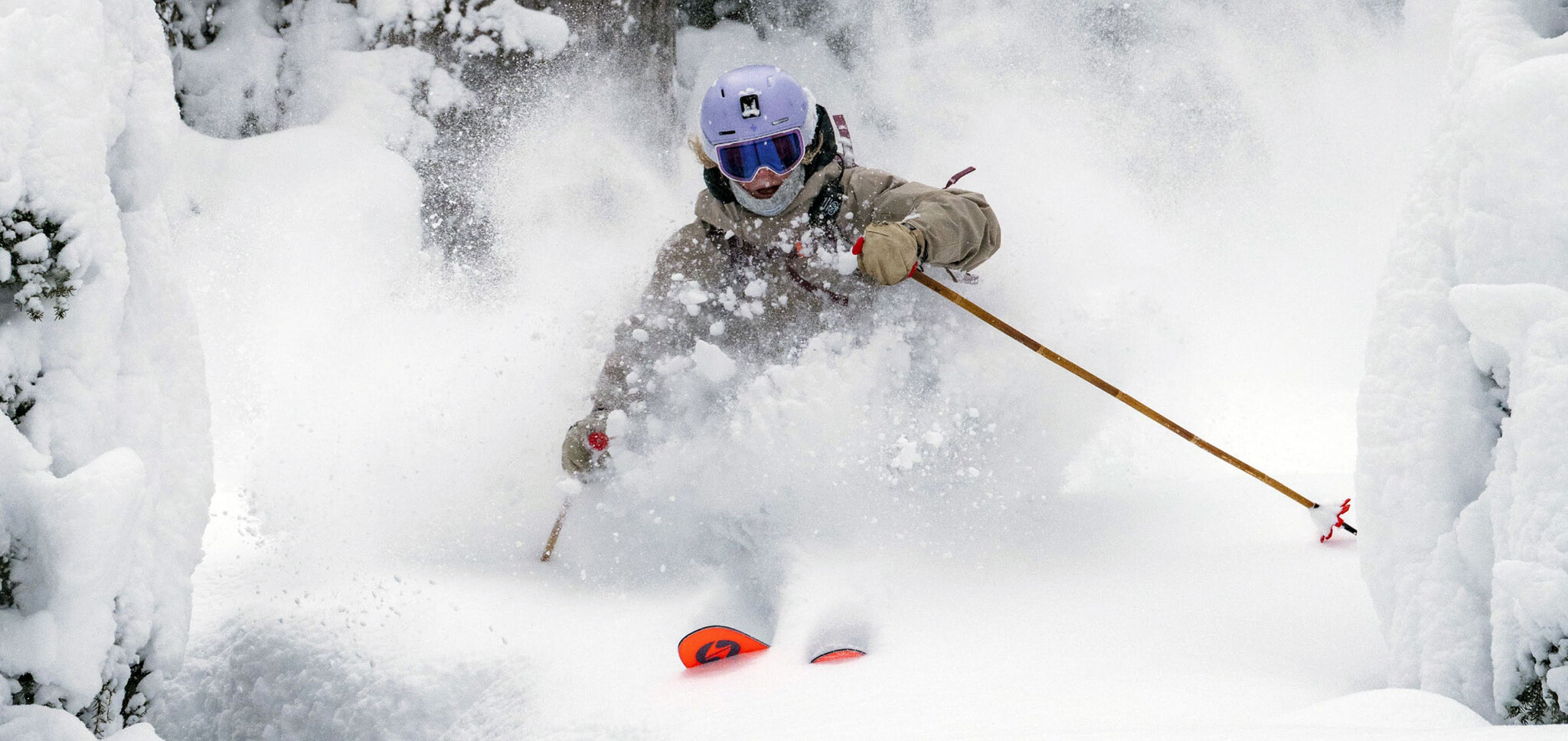
If you’ve been looking for new skis lately, you’ve probably seen the flashy ads of people floating through chest-deep powder on 110mm-wide “planks.” But when you look at the firm, man-made corduroy at Afton Alps or the wind-blown hardpack at Lutsen, it’s clear that our reality in Minnesota is a bit more… firm and variable. In these conditions, ski width matters more than most marketing would have you believe. What feels effortless in soft, Western snow can feel sluggish, demanding, or even punishing on the Midwest’s hard snow.
|
|
|
"In Minnesota, ski width matters more than most marketing would have you believe. What feels effortless in soft, Western snow can feel sluggish, demanding, or even punishing on the Midwest’s hard snow." |
|
|
That’s why choosing the right ski width is especially important if you’re looking for a one-ski quiver—a single pair of skis that does everything reasonably well, from a local weeknight at Buck Hill to a long weekend in Breckenridge. When you only own one pair, there’s less room for compromise, and no number matters more to everyday performance in Minnesota than the waist width.
The “Marketing Gap”: Why Western All-Mountain Skis Struggle in the Midwest
In North America, “All-Mountain” is often marketed as “Western All-Mountain.” Because gear reviewers in Utah and Colorado spend their time on soft, deep snow, they often suggest wide platforms (100mm+) as the standard.
However, bringing those big skis to Minnesota can feel a bit like bringing an SUV to a go-kart track. On our firm snow, a wide ski creates a “dead zone” that makes it slower to react.
This is where the “knee torque” factor comes in: on hardpack, a ski is only supported by its thin metal edge. A wider ski acts as a long lever against your joints; your foot is “hovering” far away from that edge, which forces your knees to work much harder to keep the ski on track. Staying under 90mm keeps the force directly under your boot where it belongs.
Global Perspective: Looking Beyond the Rockies
To find the right skis for Minnesota, it helps to look at how different regions match their gear to their unique conditions. This puts our “Midwest Hybrid” needs into perspective:
The Western US (The Powder Standard)
In places like Utah or Wyoming, the “All-Mountain” standard is often 95mm–105mm. These skis are designed for deep, low-density snow where floating on top of the pack is the priority.
Japan (The Deep Float)
This is the land of super-fats (110mm–125mm). When it snows three feet of powder overnight, you need a boat, not a ski.
The European Alps (Precision)
In Europe, piste is king. Most skiers use 70mm–80mm widths because they value technical precision and edge grip on long, groomed runs that look a lot like ours.
The Midwest (The Hybrid)
Our conditions mirror the European piste, but we want the versatility to travel. This makes the 82mm–89mm range our true sweet spot—narrow enough to bite into firm snow, but wide enough for a trip out West.
Choosing the Right Ski Width for Minnesota Terrain
Matching your skis to the environment is about choosing the right tool for the job. In other words, picking the right ski for the conditions you’ll actually be skiing in—not just the conditions you see in marketing photos.
Groomed Precision (75mm–82mm)
This is the “surgical” tool. Skis in this range prioritize quick edge engagement, maximum bite, and a locked-in carve on firm snow. If you spend nearly all of your time on groomed runs and value precision above all else—especially on early-morning firm conditions—this width delivers the most efficient connection to the snow.
The Minnesota Everyday Driver (82mm–89mm)
For most Minnesota skiers, this is the ideal home.
While mornings may start firm, our hills may develop “sugar snow”—those loose, granular marbles that sit on top of hardpack by mid-day. A ski in the mid-80s has enough platform to stay composed through these piles without sacrificing the edge grip needed to stay confident on the firm base underneath.
Just as importantly, staying at or under 90mm keeps the ski biomechanically efficient. The force remains close to your boot and edge, allowing for quicker reactions and reduced strain when skiing on hard snow. This makes the 82–89mm range the most versatile and forgiving daily driver for Midwest conditions.
The Western Traveler (89mm–94mm)
This category is for skiers who want one ski that works locally but leans toward performance on trips out West.
Skis in the low 90s offer increased stability in variable conditions like spring “mashed potatoes,” windbuff, and light powder—conditions most traveling skiers encounter far more often than true bottomless days. These skis are a solid compromise if you spend roughly 25–35% of your season outside the Midwest.
As you move toward the upper end of this range, edge response on firm Minnesota snow becomes slower and less immediate. These skis can still be skied locally, but they represent a conscious tradeoff in favor of off-Midwest performance.
Fit Over Labels: Gender, Ski Design, and What Actually Matters
Ski recommendations often reference men’s and women’s models, but the difference isn’t in width. Some women’s skis differ in flex and use lighter construction to better match differences in body mass and leverage. Widths are the same as in men’s skis—there is no separate sizing for women. Ski manufacturers don’t simply shrink and pink skis for women; design changes are based on performance and biomechanical considerations.
That said, skiing ability, size, strength, and style matter far more than the label on the ski. Lighter or more finesse-oriented skiers—regardless of gender—may prefer skis with softer flex patterns, while stronger or more aggressive skiers may prefer stiffer models.
The goal isn’t to ski a “men’s” or “women’s” width—it’s to ski a platform that puts the edge efficiently under your boot and matches your skiing style. The same Minnesota-first logic applies regardless of gender.
Your Goals, Our Expertise: The Hi Tempo Advantage
At Hi Tempo, we believe the best ski for you is the one that matches your specific skiing goals. That’s why we maintain a curated selection of skis chosen specifically to handle the unique challenges of Midwest skiing while still providing the versatility you want for travel.
Our experts are here to help you navigate the nuances of ski construction so you can find the model that’s exactly right for where you’ll be skiing. Whether you’re chasing dawn corduroy at Buck Hill or planning your annual pilgrimage to the Rockies, we’ll make sure you have the right tool for the job.
|
|
|
"For Minnesota skiers looking for a true do-it-all tool, 84mm–89mm underfoot is the 'Goldilocks' width: not too wide for firm conditions, not too narrow for a powder day, and just right for your knees." |
|
|
Finding Your Goldilocks: The Perfect Ski Width for Minnesota
Don’t be swayed by the “Big Mountain” marketing. For the majority of Minnesota skiers looking for a true do-it-all tool that can still handle a trip to Vail, 84mm–89mm underfoot remains the gold standard.
It’s the “Goldilocks” width: not too wide for firm conditions, not too narrow for a powder day, and just right for your knees.
For more information on the best skis for you, come into the store, use chat on the website or call 651-429-3333. Click here to see skis on this website: Hi Tempo Skis Collection